The essentials
- UNESCO names Timanfaya the most significant of nearly seventy geosites in the Lanzarote geopark, with one of the largest historic lava fields in the world.[1]
- IGME and Geoparque Lanzarote both give surface temperatures of about 250°C at Islote de Hilario, and more than 600°C at 13 m depth.[2][3]
- CACT sells no tickets at the box office; a date and time must be chosen online, and a missed slot is not refunded.[4][5]
- Exploring the national park freely by car or on foot is not permitted, and walking over the lava is not possible.[4][6]
- The Timanfaya Express Tour with No Queues takes 2 hours from US$66; the tour booked from this site runs 9 hours from US$102.[7][8]
- Express, no queues from US$66 Duration2 hours[7]What you seeTimanfaya National Park, by coach[7]Rating4.64 from 210 reviews[7] See this tour
- Volcanic craters tour from US$68 Duration5 hours[9]What you seeTimanfaya and the Islet of Hilario[9]Rating4.35 from 2,523 reviews[9] See this tour
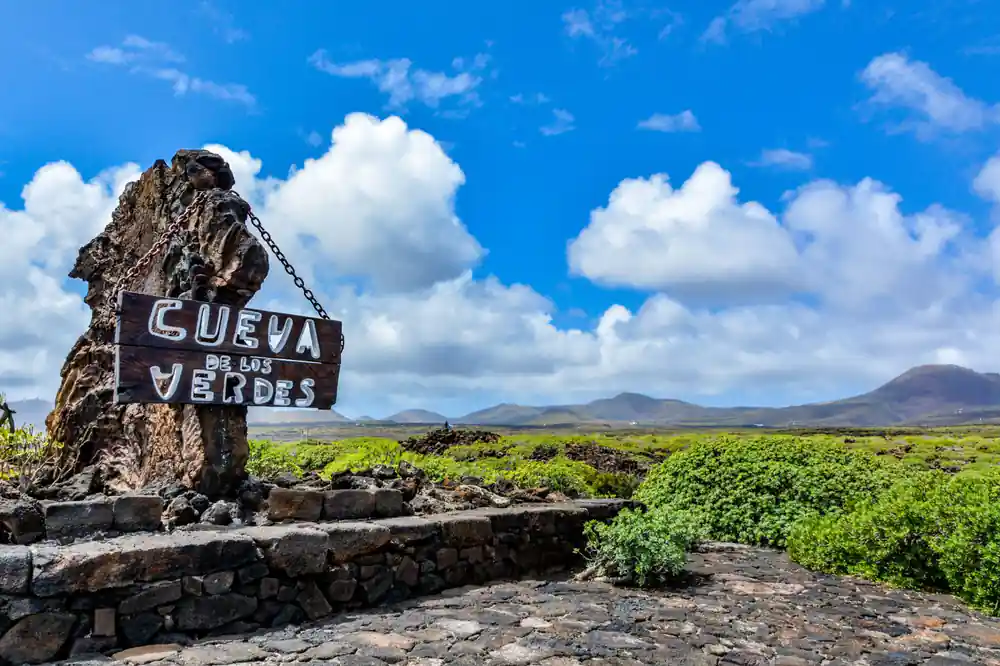
- Top choice Timanfaya, Jameos & Cueva from US$102 Duration9 hours[8]What you seeTimanfaya, Cueva de los Verdes, Jameos del Agua[8]Rating4.47 from 2,662 reviews[8] Check availability
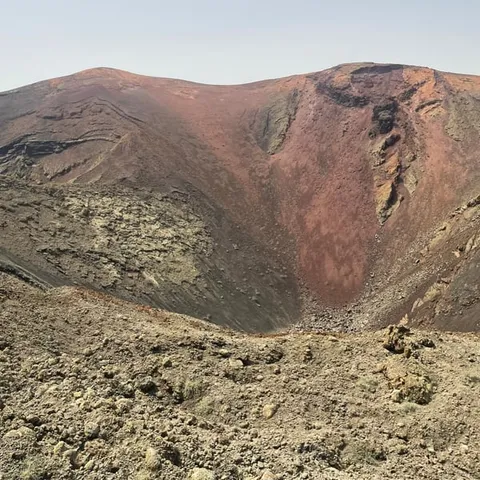
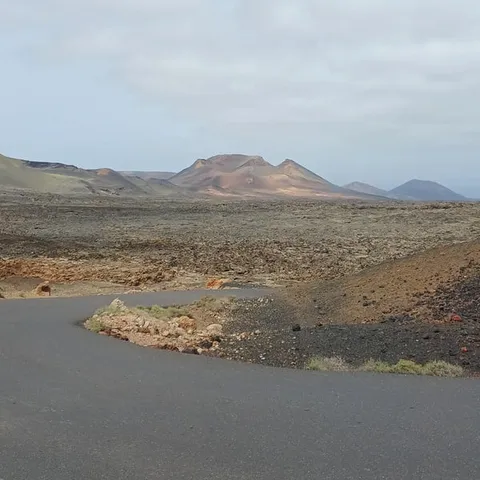
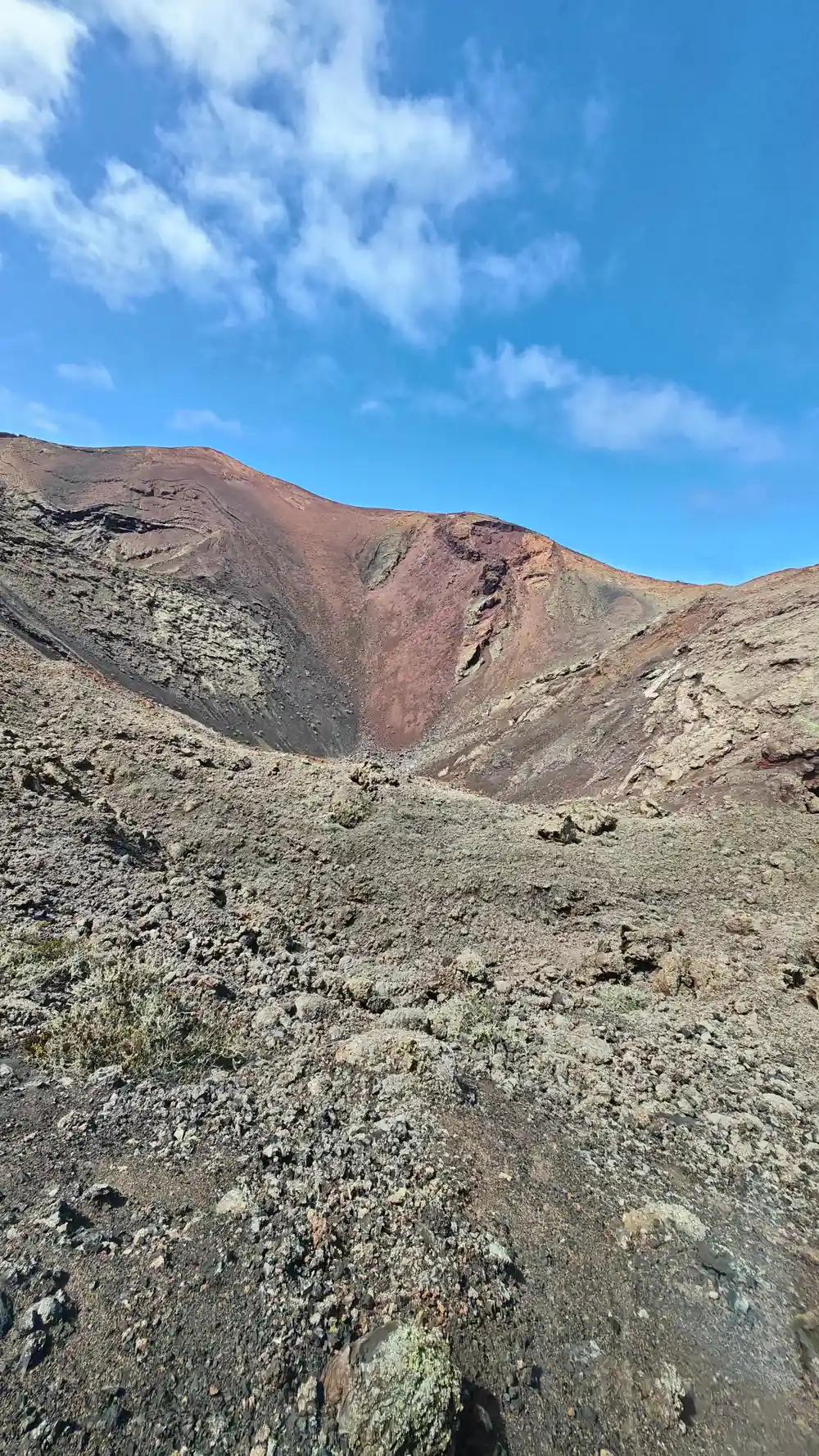
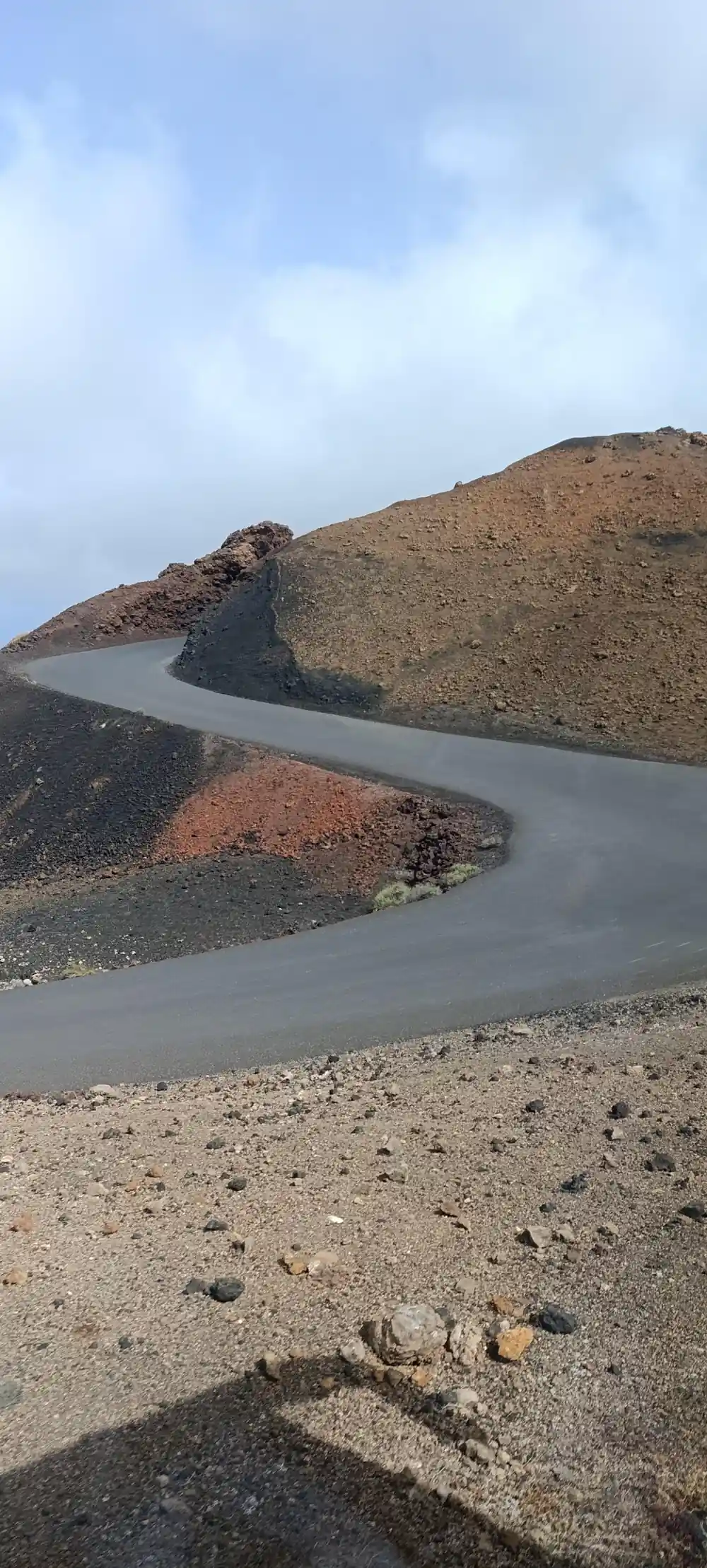
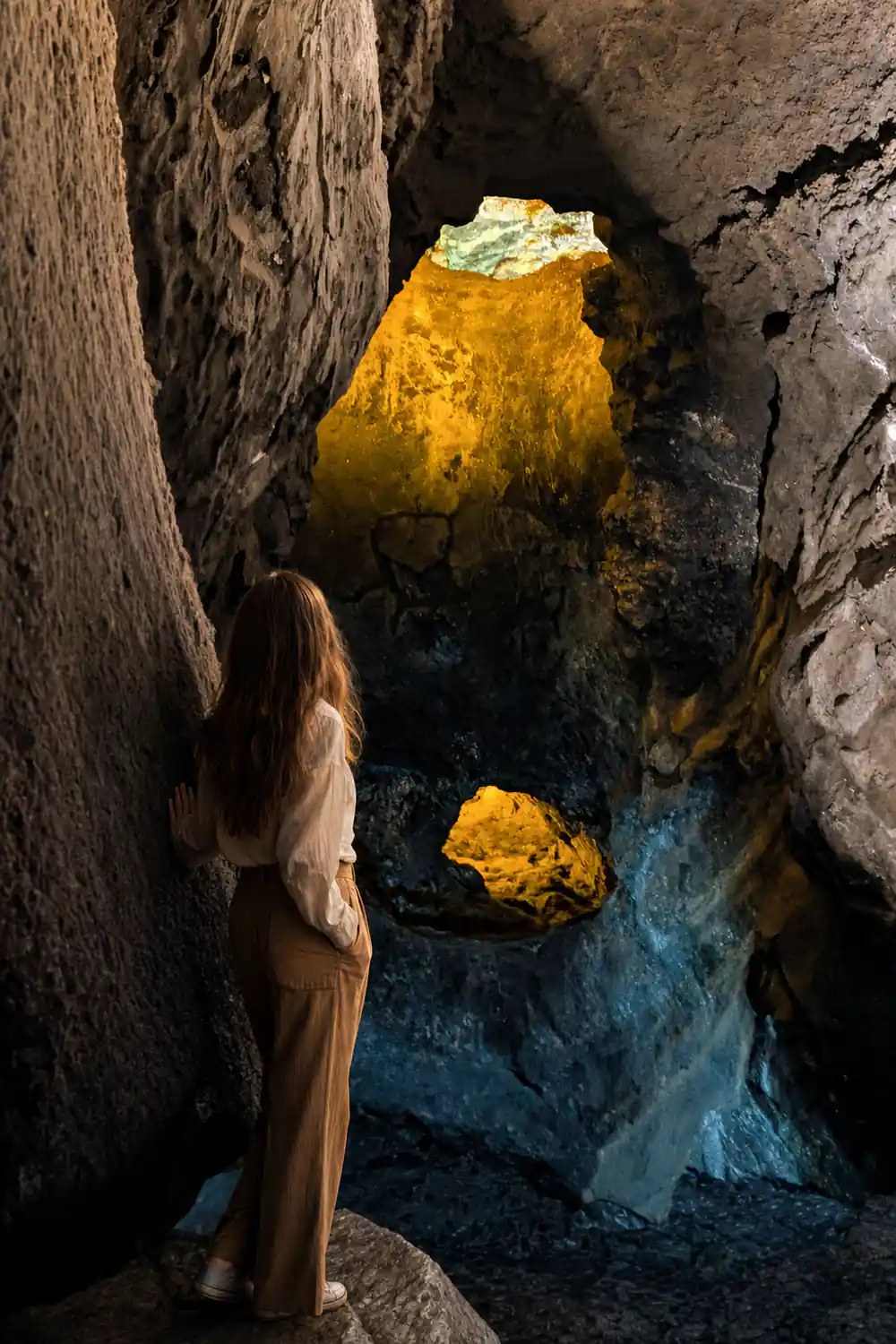
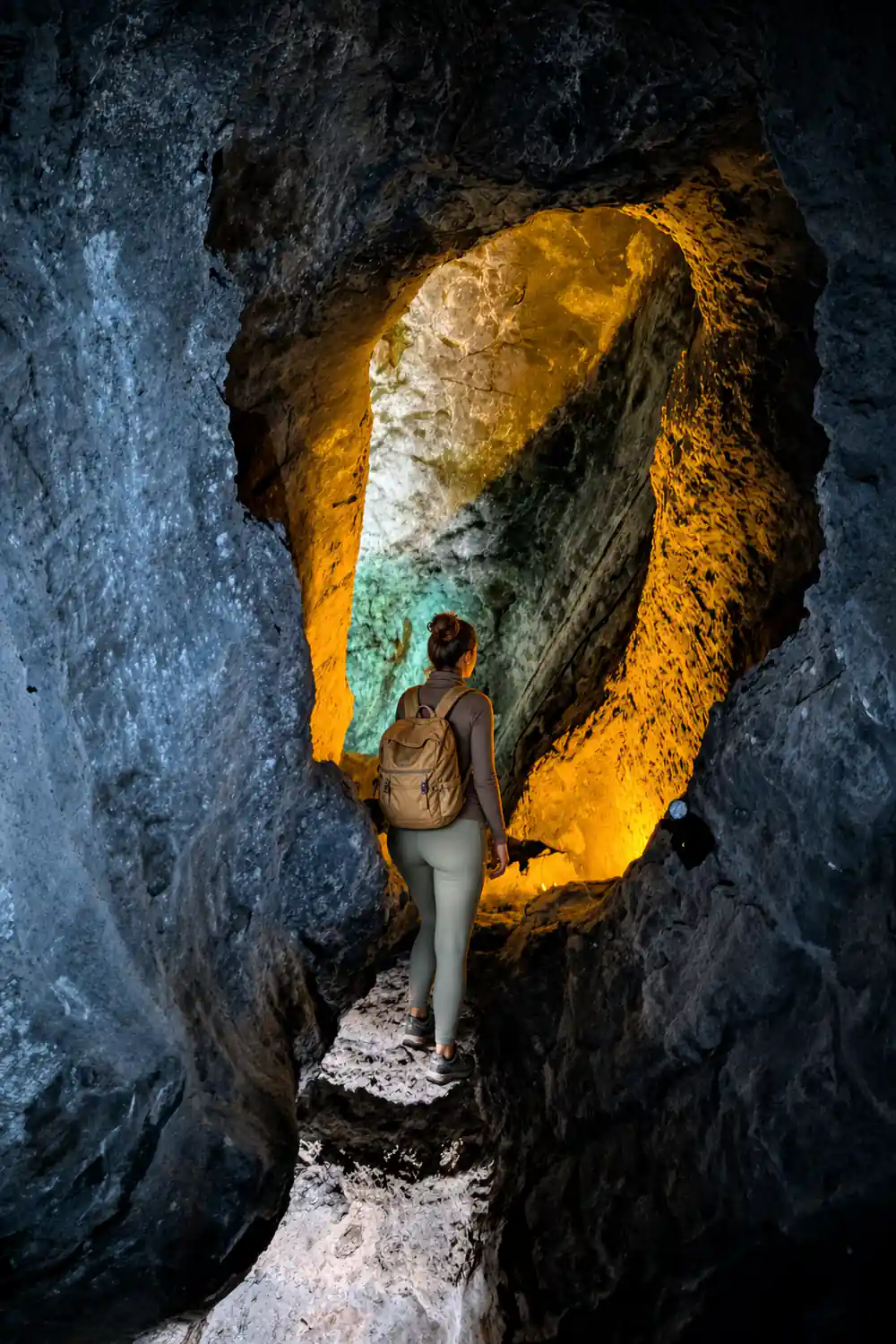
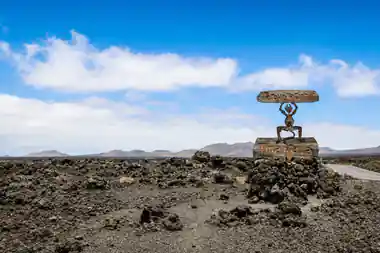
Timanfaya National Park is one of the most impressive volcanic landscapes in the world.
On the Islote de Hilario, geothermal activity shows that the subsoil still holds part of that heat.
Express, half day or a full day at Timanfaya
Worth knowing
Is it worth going to Timanfaya National Park?
UNESCO's geopark page counts nearly seventy geosites across Lanzarote and the Chinijo Islands and names Timanfaya the most significant, home to numerous volcanic structures and one of the largest historic lava fields in the world.[1] From the Islote de Hilario, CACT says, the view opens onto a sea of lava with more than 25 craters concentrated in just a few square kilometres.[10]
Publishers date the eruptions differently. CACT states they lasted six years, between 1730 and 1736, while a 2019 Turismo Lanzarote page gives between 1720 and 1736, and 1824.[6][10] MITECO's historical account says the 1730-1736 eruptions affected a quarter of the island's surface, and scientists have estimated the lava volume at about 1 cubic kilometre.[11]
A second wave began on 31 July 1824 at the Tao volcano and ceased around 25 October that year, according to MITECO, which names the three volcanoes as Tao, Volcán Nuevo del Fuego and Tinguatón.[11] Timanfaya was declared a National Park by decree on 9 August 1974, lists Biosphere Reserve (1993) among its recognitions on MITECO's fact sheet, and covers 5,107.50 hectares.[12]
What makes the visit different
The ground at Islote de Hilario is still hot. IGME and Geoparque Lanzarote both give a surface temperature of about 250°C and more than 600°C at 13 metres depth, while IGME's own Interés section for the same geosite gives 100 to 120°C at the surface and 610°C at 13 metres.[2][3] IGME explains the anomaly by a residual magma chamber at around 2 to 4 km depth.[2]
The demonstrations make that heat visible: cold water poured into boreholes creates an artificial geyser, and plants set in a hole catch fire.[2] Both are included in CACT's general ticket, along with a 35-minute coach route.[10] At El Diablo restaurant, the grill sits above a five-metre well where the natural temperature reaches around 250 degrees.[10]
The landscape has drawn more than tourists. CACT says Timanfaya has been chosen for its geological conditions to prepare part of astronauts' training before planetary expeditions, and that the Valle de la Tranquilidad on the Route of the Volcanoes is named after the Moon's Sea of Tranquility, where Apollo 11 landed.[10]
More than 25 craters crowd a few square kilometres around Islote de Hilario
What travellers rate highly
Timanfaya National Park reviews on GetYourGuide put the tour booked from this site at 4.47 from 2,662 reviews, with 4.5 for the guide, 4.6 for transportation and 4.4 for value for money.[8] That 9-hour tour visits Timanfaya National Park, Cueva de los Verdes and Jameos del Agua.[8]
The volcanic craters tour holds 4.35 from 2,523 reviews, scoring 4.5 for its guide, 4.6 for transportation and 4.2 for value for money.[9] The Timanfaya Express Tour with No Queues holds 4.64 from 210 reviews.[7]
Walking formats score higher still. The Hike Across Timanfaya's Volcanic Landscapes holds 4.80 from 1,450 reviews, and the Guided Volcano Hike with Transfers holds 4.85 from 929 reviews, with 5 for its guide.[13][14] The guided off-road volcano buggy tour holds 4.67 from 5,246 reviews.[15]
How long do you need at Timanfaya National Park?
Publishers give different lengths for the core visit. CACT's ticket-booking card shows a 90-minute slot, CACT's visitor guide says approximately 1 hour and 15 minutes, and MITECO states 45 minutes.[10][16] Within that, the ticket includes a 35-minute coach route, while CACT's FAQ says the buses depart every 20 minutes and the tour lasts approximately 40 minutes.[4][10]
How long to spend at Timanfaya National Park also depends on the extras. The Ayuntamiento de Yaiza gives the camel ride 20 to 25 minutes at €11 per person, while the Canary Islands park authority says about 20 minutes.[17][18] The Mancha Blanca visitor centre shows two audiovisual programmes lasting about 30 minutes in total.[19]
On a tour, the Timanfaya Express Tour with No Queues takes 2 hours, the volcanic craters tour 5 hours, and the tour booked from this site 9 hours.[7][8][9] The park's free Tremesana guided walk takes about 3 hours, according to the Gobierno de Canarias park site.[20]
25+ craters
CACT counts more than 25 craters in just a few square kilometres around the Islote de Hilario.[10]
The honest downsides
Tickets run on fixed slots. CACT sells no tickets at the box office, a date and time must be selected online, and visitors should arrive 15 minutes before their booked time.[4][5] There are no waiting areas for early arrivals, a ticket used outside its slot is no longer valid with no changes or refunds, and an unavailable time means that slot's quota is already full.[4]
Movement inside the park is restricted. CACT says it is not permitted to explore the national park freely by car or on foot, and asks visitors to stay inside the vehicle from El Taro to the Islote de Hilario car park.[4][10] Turismo Lanzarote adds that walking over the lava or other volcanic material is not possible.[6]
The park is busy and exposed. The Ayuntamiento de Yaiza says it receives more than half a million visitors a year, and that the pressure is already causing conservation problems, above all at Hilario.[21] CACT recommends sun protection between June and September and warm clothing between October and April because the area is windy, and AEMET records August as the hottest month at Lanzarote Airport, with a mean daily maximum of 29.1°C.[10][22]
Car or tour?
The LZ-67 road between Tinajo and Yaiza gives access to the park's facilities, and from Arrecife MITECO describes the route as the LZ-2 to Yaiza, then the LZ-67.[23][24] The park authority advises leaving a hired car in the Islote de Hilario car park, and CACT warns that the slope there can swing a car door into other vehicles.[10][23]
Public transport stops short of the park. No public transport service goes into the national park; buses reach the towns of Tinajo and Yaiza, and from there a taxi is needed to the points of interest.[23]
The three tours compared here list skip the ticket line. The Timanfaya Express Tour with No Queues is sold from Yaiza with skip-the-ticket-line entry and lists no pickup.[7] The volcanic craters tour and the tour booked from this site both list pickup included and skip-the-ticket-line entry, with 53 and 61 pickup location options.[8][9]
If you are short on time
The Timanfaya Express Tour with No Queues is the quickest listing among these three, at 2 hours from US$66.[7] CACT's general ticket includes the coach route, the geothermal demonstrations, access to Islote de Hilario and a volcanic landscape viewpoint.[10]
El Diablo restaurant does not accept reservations, and tables are assigned first come, first served.[10] The Mancha Blanca visitor centre sits on the road towards Tinajo, outside the national park boundary.[24]
If time allows, Mancha Blanca gives free access to its exhibition and audiovisual programme, and its elevated walkway crosses lava flows that reached farmland during the 1730-36 eruptions.[6][19] MITECO says it has been open every day from 9:00 to 16:00 since 1 July 2023, while Turismo Lanzarote gives 9:00 a.m. to 4:45 p.m.[6][19] The centre also has a Simulation Room that recreates the sensations of a volcanic eruption.[19]
Timanfaya visit durations, as each publisher states them
Durations as each publisher states them; the camel ride's 20 to 25 minutes is drawn at the upper figure.[4][10][16][17][19]
Price a Timanfaya tour for your group
Each amount is that listing's own "from" price in US dollars, and the calculator applies the same listed figure to every traveller.[7][8][9]
Timings that shape a Timanfaya visit
Planning a Timanfaya visit
Choose car or tour
No public transport enters the park; the express tour lists skip-the-line entry.[7][23]
Book a timed ticket online
Choosing a date and time online is mandatory for Montañas del Fuego.[5]
Arrive 15 minutes early
A ticket used outside its slot is no longer valid, with no refunds.[4]
Ride the Route of the Volcanoes
The general ticket includes a 35-minute coach route along the Route of the Volcanoes.[10]
Watch the geothermal demonstrations
Cold water poured into boreholes at Islote de Hilario makes an artificial geyser.[2]
Skip the ticket line: see dates for Timanfaya, Jameos and Cueva
from US$103Reserve now & pay later