The essentials
- Optional add-on at Echadero de los Camellos, priced at €11 per person per trip and taking about 20 to 25 minutes; it is not one of the stops on this tour booking.[1][14]
- The camel route is one of five officially authorised routes inside Timanfaya National Park.[1]
- The park authority describes a 250-metre circular route of about 20 minutes on the south slope of Montaña de Timanfaya.[2]
- The Ayuntamiento de Yaiza states that children from age 4 pay for the ride.[1]
- The recommended hours are 9:00 to 15:00, every day except 25 December and 1 January.[1]
| Camel ride | Coach route | Guided walk | |
|---|---|---|---|
| Price, per person | €11[1] | Included in the ticket[4] | Free, but booking required[12] |
| Duration | 20-25 minutes[1] | 35 minutes[4] | About 3 hours[12] |
| Where | South slope of Montaña de Timanfaya[2] | Through Montañas del Fuego[11] | From Yaiza's Plaza de los Remedios[12] |
| Booking | Pay by card or cash on site[1] | Book a fixed date and time online[13] | Book online 25-30 days ahead[12] |
on 1 September 1730, between nine and ten at night, the earth suddenly opened near Timanfaya, two leagues from Yaiza; a huge mountain rose from the earth's bosom with flames that burned for nineteen days
Camel ride, coach route, or a guided walk
Before setting off
Where the camel ride runs
The camel route through Timanfaya is one of five officially authorised routes inside the National Park, run from the Echadero de los Camellos on the south slope of Montaña de Timanfaya.[1][2]
The Ayuntamiento de Yaiza prices the ride at €11 per person per trip, payable by card or cash, and children from age 4 pay.[1] Getting there without a car or a tour takes planning: no public transport service goes into the national park, only bus lines to the towns of Tinajo and Yaiza, from where a taxi can take you on to the points of interest.[3]
Timanfaya's geological conditions have also been used to prepare part of astronauts' training before planetary expeditions, according to CACT's own description of Montañas del Fuego.[4]
The eruptions that made the ash fields
MITECO publishes an eyewitness account of how it began. On 1 September 1730, between nine and ten at night, the earth suddenly opened near Timanfaya, two leagues from Yaiza, and on the first night a huge mountain rose from it, with flames that kept burning for nineteen days.[5]
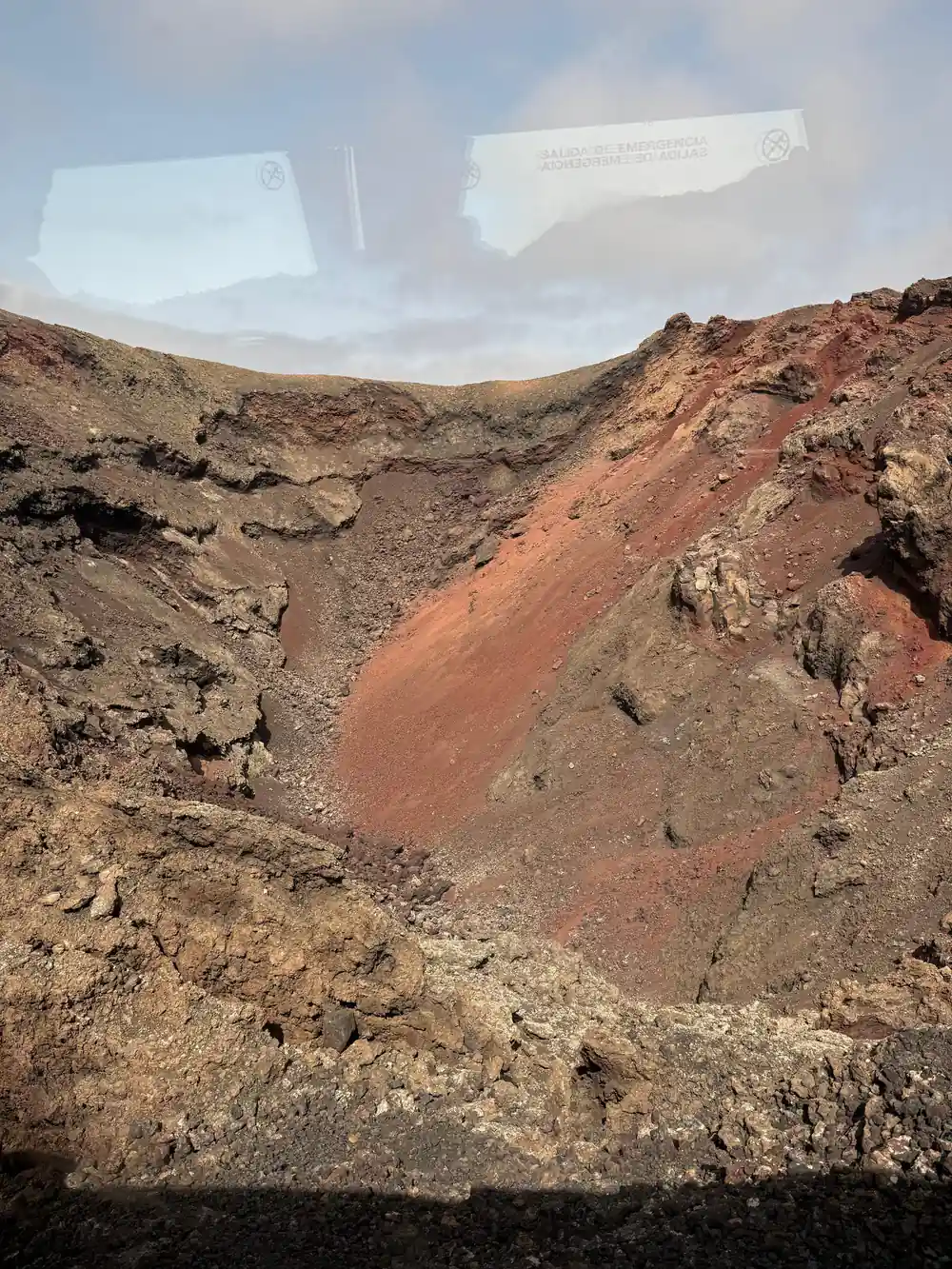
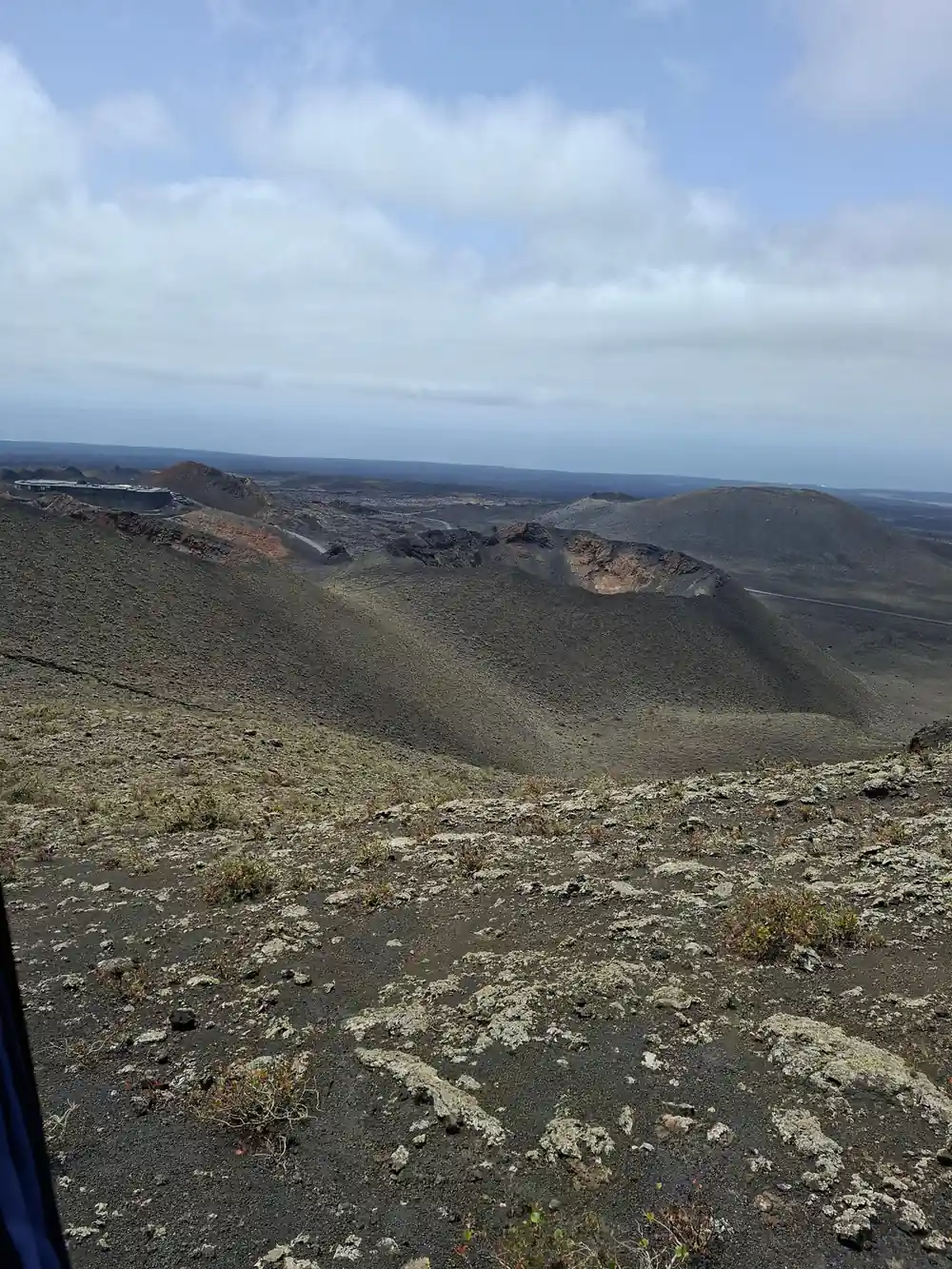
Timanfaya's ash fields come from those eruptions: CACT states they lasted six years, between 1730 and 1736, and transformed an essential part of Lanzarote.[4] The camel route that now crosses this terrain is one of five officially authorised routes inside the park today.[1]
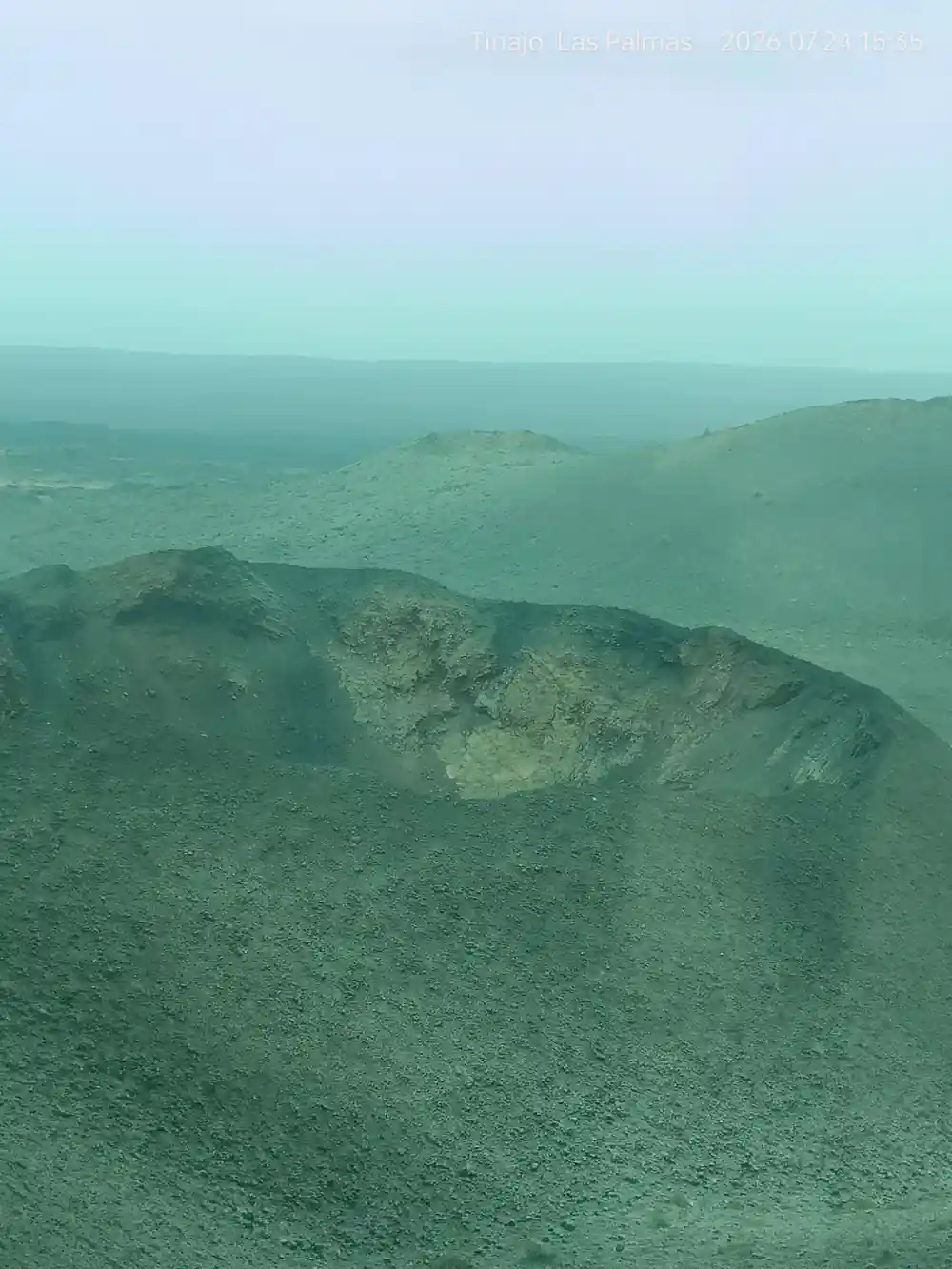
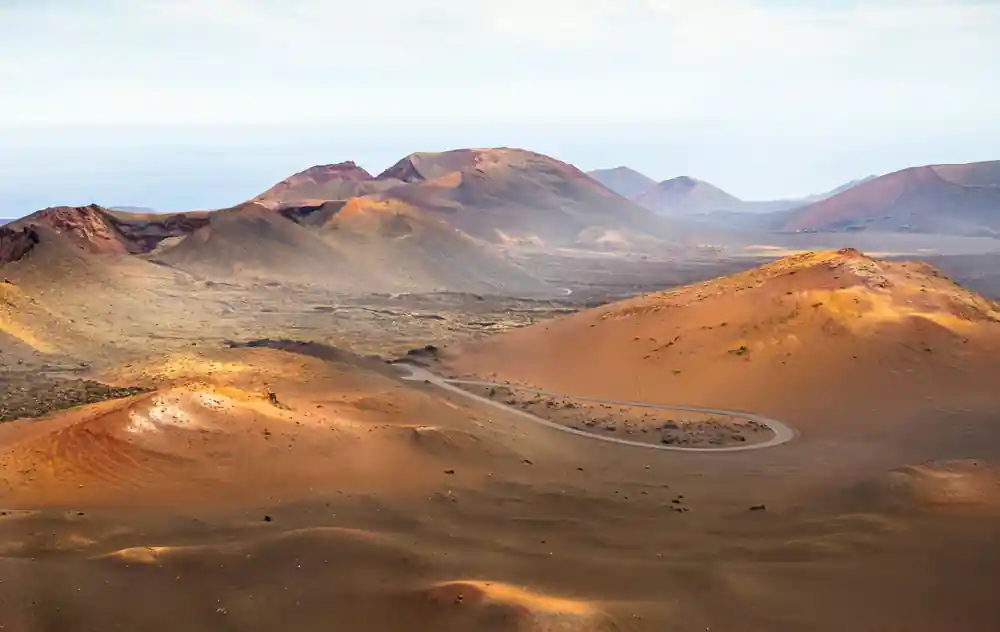
Turismo Lanzarote calls Timanfaya National Park one of the most impressive volcanic landscapes in the world, and says the eruptions forever transformed the centre-west of Lanzarote and left a latent volcanic activity that is unique in Europe.[6] Part of that heat is still there. IGME's geosite page for Islote de Hilario gives a surface temperature of about 250°C in its description and 100 to 120°C in its scientific-interest section, with more than 600°C at 13 metres depth, and the Montañas del Fuego ticket includes geothermal demonstrations there.[4][7]
Dromedaries climb Timanfaya's black ash in tandem
The other ways to see the park
Exploring Timanfaya National Park freely by car or on foot is not permitted, a rule CACT gives to protect the park's fragile ecosystem.[8] The LZ-67 road, which connects Tinajo and Yaiza, is what gives access to the park's different facilities.[3] The Mancha Blanca visitor centre gives free access to an exhibition and an audiovisual programme offering an overview of the park in several languages, according to Turismo Lanzarote.[9] Its hours differ by source: MITECO gives 9:00 to 16:00 every day since 1 July 2023, while Turismo Lanzarote gives 9:00 a.m. to 4:45 p.m.[9][10]
The Route of the Volcanoes coach tour, conceived by César Manrique and accompanied by an audio narrative, is included in the Montañas del Fuego general ticket as a 35-minute coach route.[4] The Canary Islands park authority gives the same route as 12 km and 45 minutes, while CACT's FAQ says the buses depart every 20 minutes and the tour lasts about 40 minutes.[8][11]
The Tremesana route is a 3.5 km guided walk that takes about 3 hours including transfers, with the meeting point at the Plaza de los Remedios in Yaiza, 15 minutes before departure.[12] It runs only by prior booking on the park website at least 25 to 30 days ahead, because groups are small, and the service is free.[12]
The Camel Ride Experience
A camel ride at the Echadero de los Camellos is a short loop inside Timanfaya National Park. The Canary Islands park authority describes it as a 250-metre circular route on the south slope of Montaña de Timanfaya, a ride of about 20 minutes that lets you explore the volcanic landscape in a calm and different way.[2]
Duration estimates differ by source: the Ayuntamiento de Yaiza states the ride takes between 20 and 25 minutes, while the Canary Islands park authority gives about 20 minutes for the same route.[1][2]
€11
The Ayuntamiento de Yaiza prices a single camel ride at this rate, taking 20 to 25 minutes across the ash fields.[1]
Rules to know inside the park
Turismo Lanzarote's visitor advice is that it is not possible to walk over the lava or on other volcanic material.[9] On the drive into Montañas del Fuego, CACT asks you to remain inside the vehicle from El Taro to the car park on the Islote de Hilario, to preserve the protected National Park.[4]
If you pair the camel ride with Montañas del Fuego on the same day, its tickets are sold online only, for a fixed date and time, and arriving outside your scheduled slot means the ticket is no longer valid, with no changes or refunds.[8][13]
Riders and Age Requirements
Children can join the camel ride at the Echadero de los Camellos, and the price depends on age. The Ayuntamiento de Yaiza states that children from age 4 pay; its page does not say in plain words what younger children are charged.[1]
The Ayuntamiento de Yaiza recommends 9:00 to 15:00 as the hours to enjoy the ride, every day of the year except 25 December and 1 January, on its own page about the camel rides in Timanfaya.[1]
Camel Rides and Your Tour Itinerary
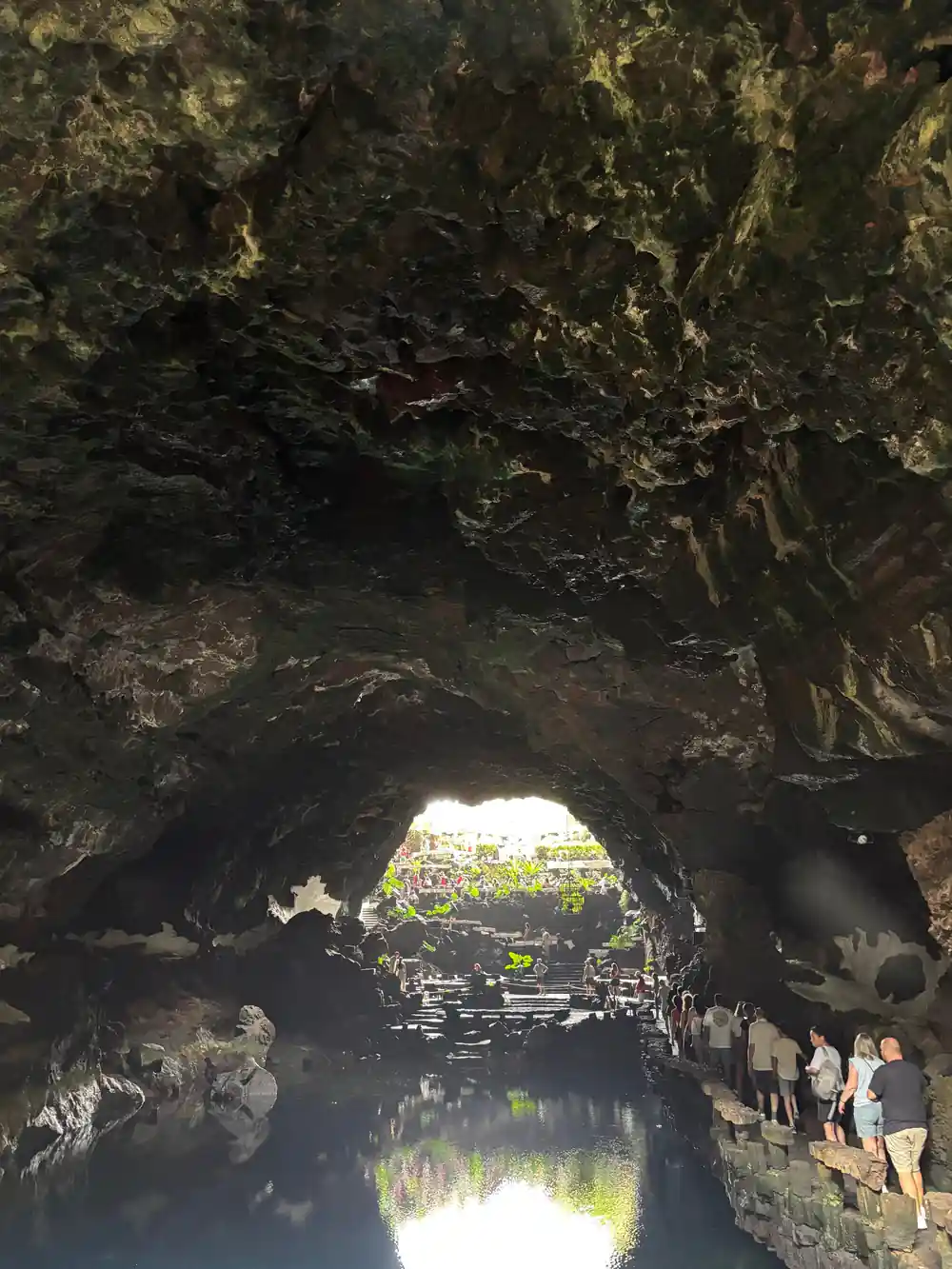
The camel ride at the Echadero de los Camellos is a separate paid activity at €11 per person per trip. It is not one of the stops listed for the tour booked from this site, whose stops are Timanfaya National Park, Cueva de los Verdes and Jameos del Agua.[1][14]
That tour runs for nine hours, lists pickup and a live guide in English, French, German or Spanish, and advertises skip-the-line entry.[14] A camel ride therefore means a separate visit to the Echadero, paid by card or cash.[1]
How long the camel ride takes, by source
The camel ride's own duration is disputed between two official sources; the coach route's 35 minutes is shown for scale.[1][2][4]
Price a Timanfaya-area tour
Each amount is that listing's own "from" price in US dollars, and the calculator applies the same listed figure to every traveller. The camel ride is paid separately.[1][14][15][16]
Numbers behind the camel ride
Riding the Timanfaya camels
Find Echadero de los Camellos
The camel station sits on the south slope of Montaña de Timanfaya.[2]
Pay on site
A ride costs €11 per person, payable by card or cash.[1]
Mount up for the ride
Children from age 4 pay for the ride.[1]
Cross the ash on a short loop
The route is a 250-metre circular path on the south slope.[2]
Finish in about 20 minutes
The Canary Islands park authority states the ride lasts about 20 minutes.[2]
Book the Timanfaya day tour, then plan your camel ride
from US$103Reserve now & pay later